




Licuadoras de inmersión comerciales NSF: qué son y por qué son importantes
Introducción
Si usted dirige la cocina de un restaurante, una empresa de catering o cualquier negocio de servicios de alimentos en los Estados Unidos, la certificación NSF en su equipo no es una etiqueta de marketing, es un requisito del código sanitario. La mayoría de las licuadoras de inmersión de uso doméstico no se pueden usar legalmente en una cocina comercial. Esta guía explica qué significa realmente NSF, por qué es innegociable para su operación y cómo elegir la licuadora de inmersión NSF adecuada.
¿Qué significa la certificación NSF?
NSF International es una organización independiente de salud pública que certifica equipos de servicio de alimentos en tres aspectos: seguridad del material, diseño sanitario y durabilidad bajo uso comercial. Una licuadora con certificación NSF utiliza únicamente materiales aptos para alimentos, está construida de manera que los alimentos no puedan quedar atrapados en las costuras o en las cabezas de los tornillos, y está diseñada para sobrevivir a las condiciones de una cocina de trabajo real.
En la mayoría de los estados de EE. UU., una inspección de su departamento de salud local buscará la marca NSF en su equipo. Sin marca, multas, posible cierre. Es así de simple.
Por qué la NSF es importante específicamente para las licuadoras de inmersión
Las licuadoras de inmersión van directamente a los alimentos calientes. Se mojan, se frotan docenas de veces al día y, a menudo, viven junto a la línea donde se usan en ráfagas de 30 segundos durante todo el servicio. Los modos de falla que la certificación NSF elimina, el atrapamiento bacteriano en las costuras, la degradación del plástico bajo el calor, la falla del motor bajo carga, son exactamente los modos de falla que más importan en esta categoría.
Una batidora de mano no certificada por NSF utilizada comercialmente es una multa a punto de ocurrir, y también es una herramienta que se deshará físicamente en los primeros seis meses de servicio profesional.
Qué buscar en una licuadora de inmersión comercial
Marca NSF y listado ETL
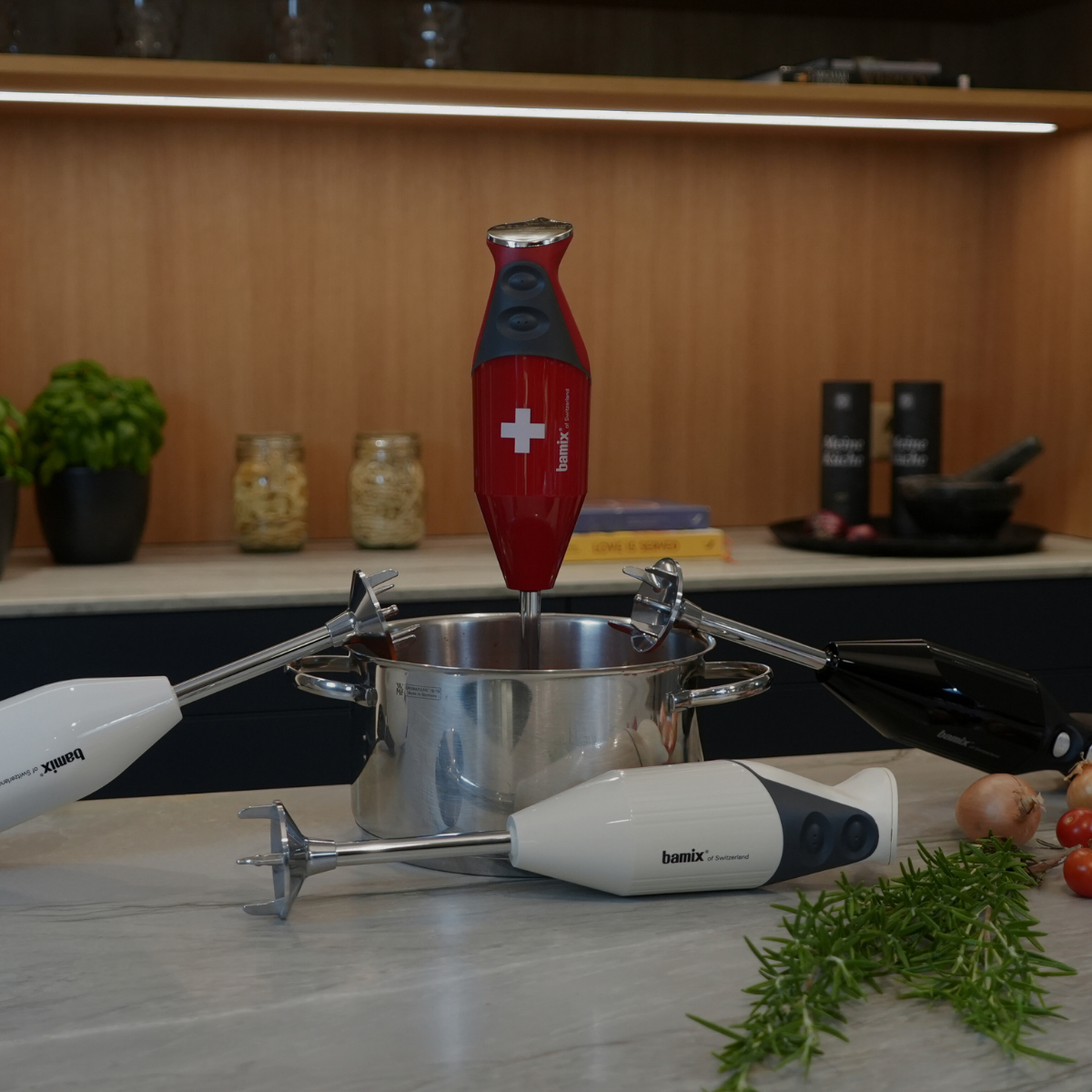
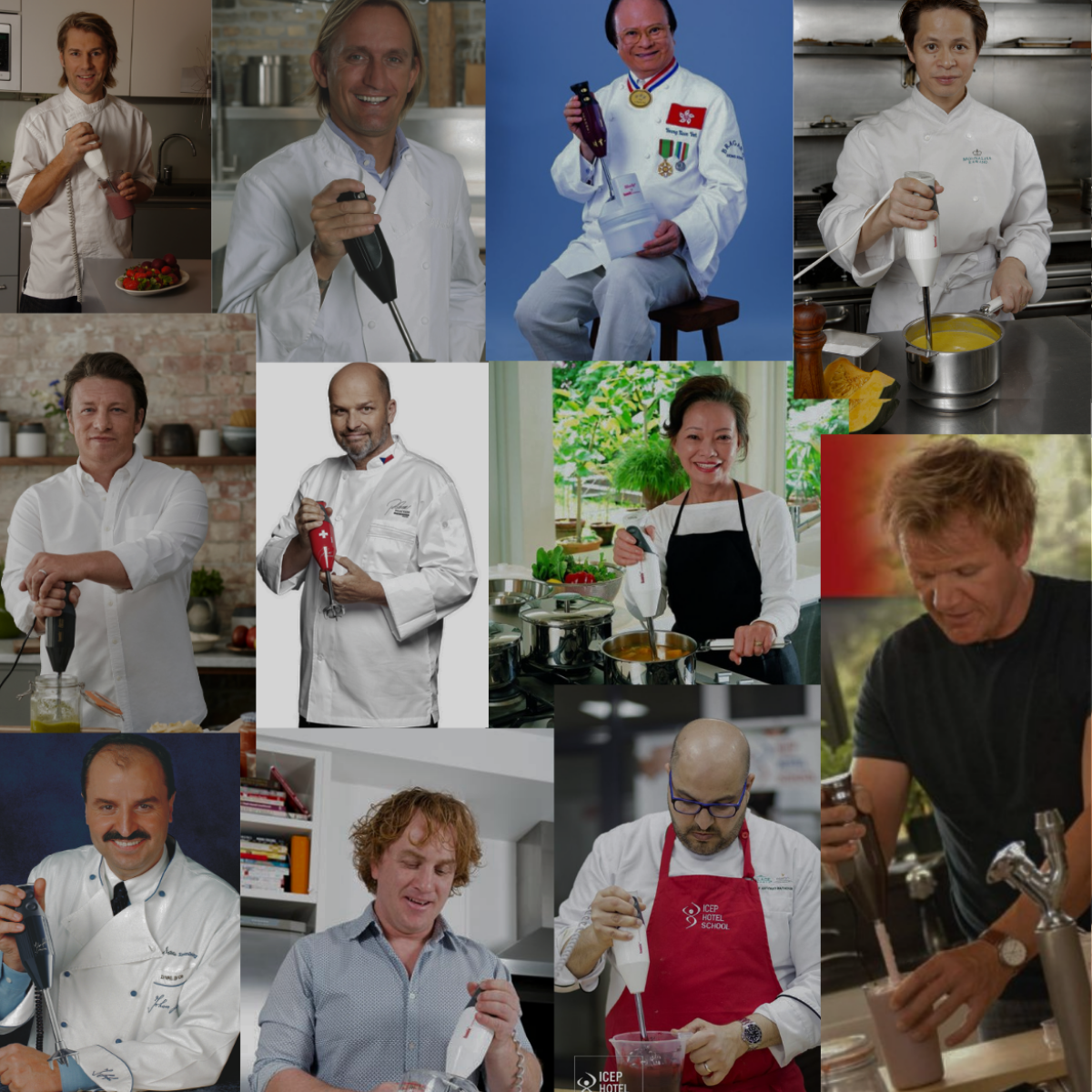
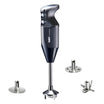
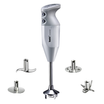
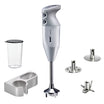
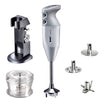
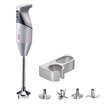
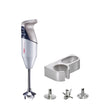
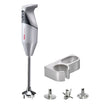
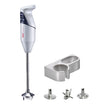
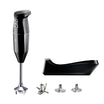
Busque la certificación NSF/ANSI 4 real, no solo las afirmaciones de "estilo NSF" o "grado comercial". La bamix® Pro-2 cuenta con la certificación NSF genuina, es el mismo modelo que se utiliza en cocinas con estrellas Michelin en América, Europa, África, Australia y Asia.
Rendimiento sostenido del motor
Los vatios no son un número útil. Busque las rpm bajo carga. La bamix® Pro-2 mantiene 12,000 rpm en la velocidad 1 y 17,000 rpm en la velocidad 2 incluso cuando está completamente sumergida en una olla de caldo espesa, eso es lo que hacen 200W de un motor suizo bien diseñado.
Longitud del eje y profundidad de inmersión
Para ollas comerciales se necesita un mínimo de 12 pulgadas de profundidad de inmersión. La Pro-2 le ofrece 12.5 pulgadas, suficiente para cualquier olla de 16 cuartos estándar.
Resistencia al calor
Una licuadora comercial se sumerge diariamente en líquidos a más de 200°F. El eje y la campana deben ser de nailon PA6 o acero inoxidable. Las piezas baratas de polipropileno se deformarán y decolorarán en menos de un mes.
Motor sellado
El líquido que asciende por el eje es la razón principal por la que las licuadoras comerciales se estropean. Un motor genuinamente sellado (la patente de bamix® desde la década de 1950) le permite sumergir completamente el eje y enjuagar toda la licuadora bajo el grifo sin dañarla.
Servicio y garantía
En uso comercial, una herramienta eventualmente necesitará servicio. bamix® tiene un centro de reparación en EE. UU. y una garantía de motor de por vida en los modelos con cable, ese es el tipo de soporte que necesita una cocina no desechable.
Costo total de propiedad
Una batidora de mano comercial de grado común cuesta $150 y dura de 12 a 18 meses en una cocina en funcionamiento. Una bamix® Pro-2 cuesta más al principio y dura más de 10 años de uso comercial diario. Para cualquier cocina que maneje un volumen real, la bamix® es la herramienta más económica para el tercer año.
Casos de uso profesional comunes
- Hacer puré de sopas y salsas en ollas de 8 a 16 cuartos sin necesidad de transferir
- Emulsionar bearnesa, holandesa, mayonesa, alioli en la línea
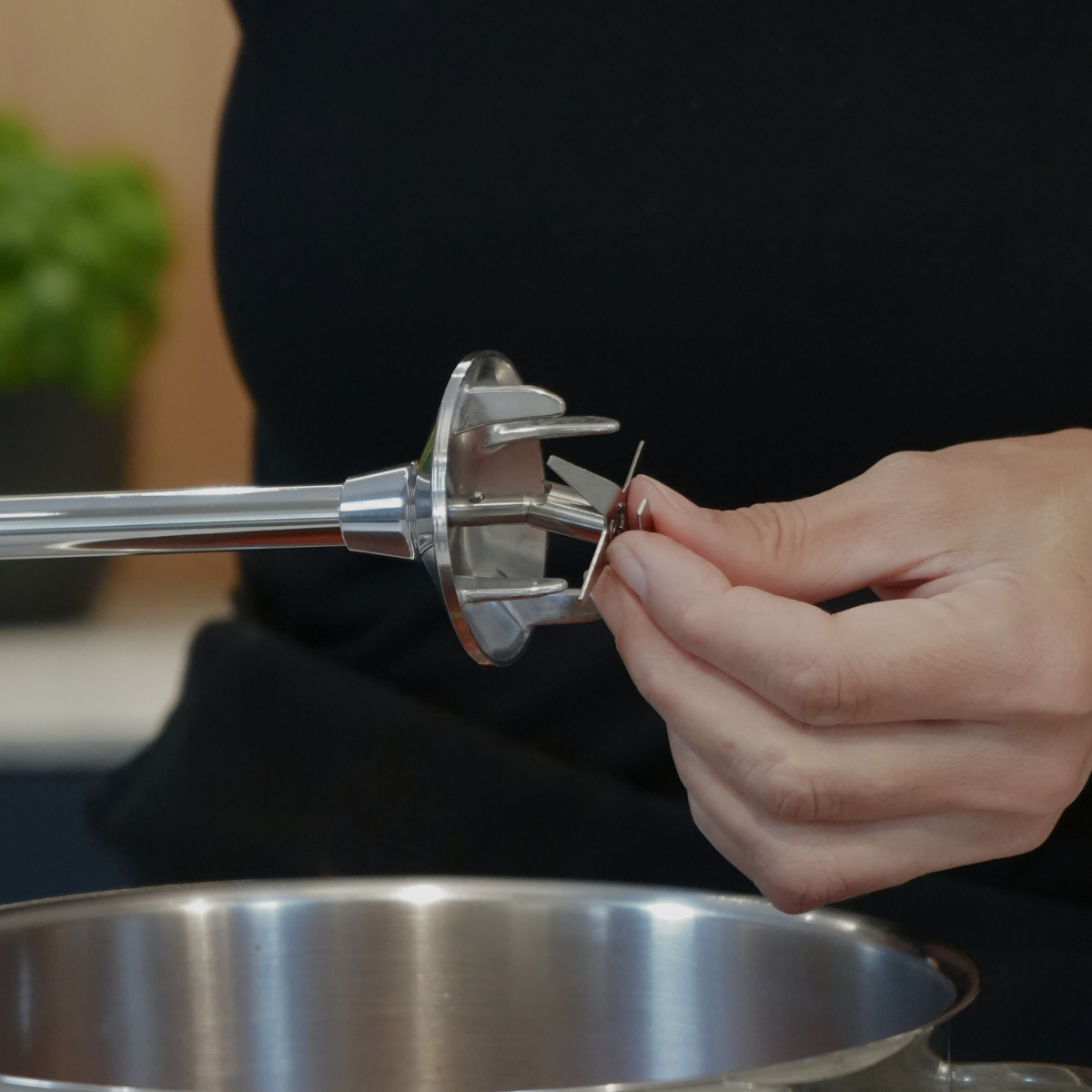
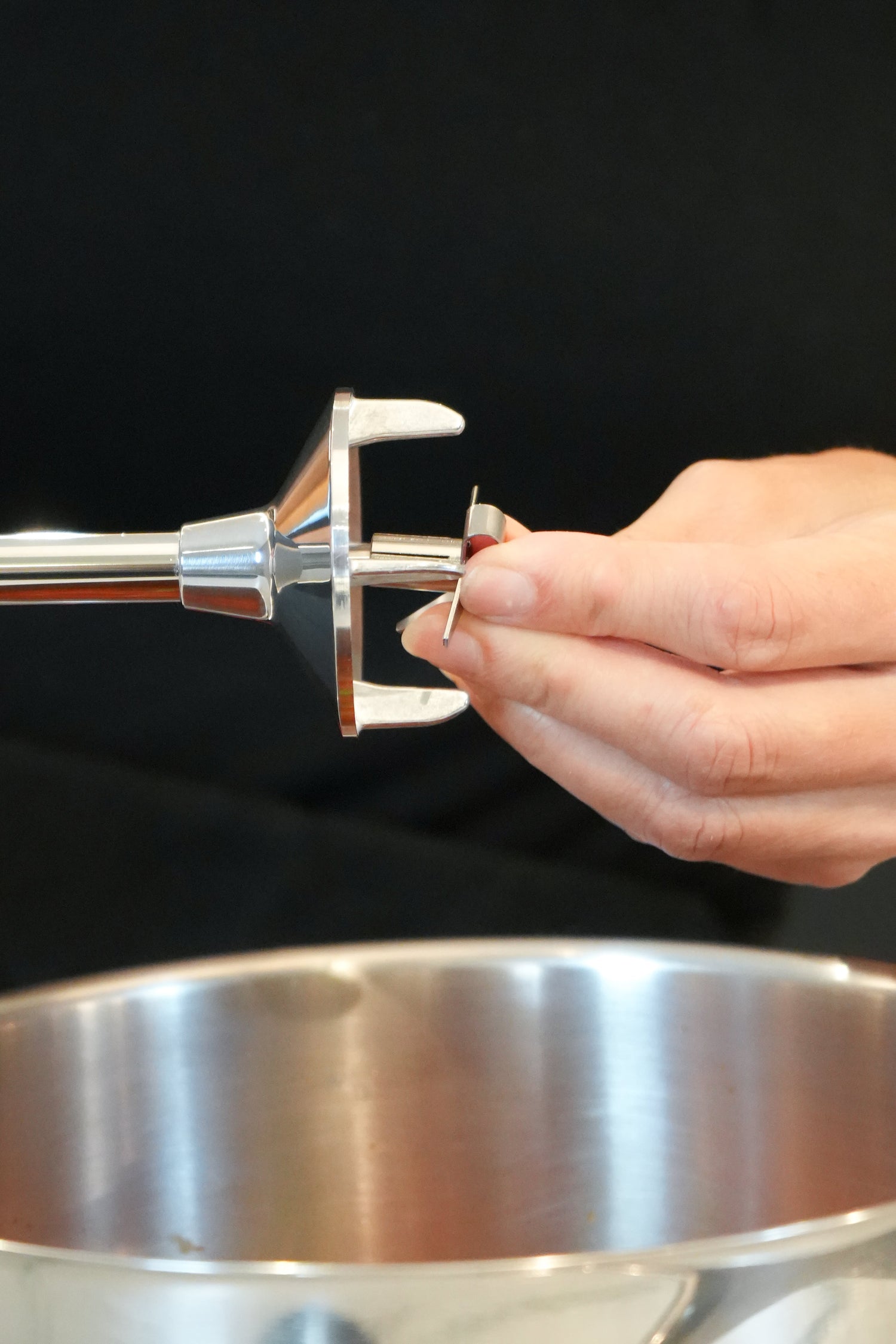
- Espumar y terminar para el emplatado (el protector de cuchillas crea espumas limpias)
- Triturar hielo y hacer puré en tandas para programas de coctelería y pastelería
- Purés para bebés y dietéticos para cocinas de hospitales y residencias de ancianos
Preguntas frecuentes
¿La bamix® Pro-2 está certificada por NSF?
Sí, la Pro-2 es el modelo con clasificación NSF de la línea bamix®. La variante Professional Retail está fabricada con el mismo estándar de ingeniería, pero no tiene clasificación NSF; para uso comercial, elija la Pro-2.
¿Puedo usar una licuadora de inmersión de uso doméstico en mi restaurante?
No legalmente en la mayoría de los estados. Los códigos sanitarios exigen equipos con certificación NSF en cocinas comerciales.
¿Caduca la certificación NSF?
Las certificaciones están vinculadas al modelo y su producción. Siempre que compre el modelo certificado nuevo a un vendedor autorizado, estará cubierto.

